NHS Base:
Princess Royal University Hospital, Orpington, Kent,
BR6 88ND
Tel: +44 (0) 7726470624
Email: info@mohitbansal.co.uk


Areas of Expertise

Meniscal Injury
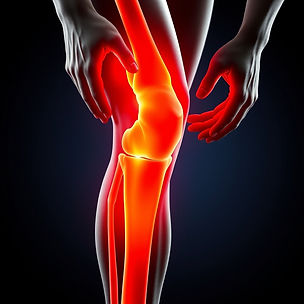
Knee Tendinitis
What is knee tendinitis?
Knee tendinitis, most commonly patellar tendinitis (jumper’s knee), is inflammation or irritation of a tendon around the knee, usually caused by overuse or repetitive strain124.
What causes tendinitis around the knee?
-
Repetitive activities like jumping, running, or squatting
-
Sudden increase in activity intensity or frequency
-
Tight or imbalanced leg muscles
-
Poor footwear or hard playing surfaces
-
Chronic illnesses that affect tendon health (e.g., diabetes, rheumatoid arthritis)129
What are the symptoms?
-
Pain at the front of the knee, often just below the kneecap
-
Swelling or tenderness in the affected area
-
Stiffness and difficulty moving the knee
-
Pain that worsens with activity, especially when jumping, running, or climbing stairs
-
Sometimes a grating or crackling sensation when moving the knee1247
How is knee tendinitis diagnosed?
Diagnosis is usually based on a physical exam and discussion of your symptoms. Imaging tests like X-rays, ultrasound, or MRI may be used to rule out other conditions or assess tendon damage5.
How is knee tendinitis treated?
-
Rest and avoiding activities that worsen symptoms
-
Ice to reduce pain and swelling
-
Over-the-counter pain relievers (e.g., ibuprofen)
-
Physical therapy with stretching and strengthening exercises
-
Use of patellar straps or braces for support
-
Surgery is rarely needed and reserved for severe or persistent cases1210
How long does recovery take?
Most people recover with conservative treatment, but full recovery can take several months, especially if the injury is severe or has been present for a long time10.
When should I see a doctor?
-
If your pain does not improve with rest and home care
-
If pain interferes with daily activities
-
If there is significant swelling, redness, or warmth around the knee
Can I continue to exercise with knee tendinitis?
You should avoid activities that trigger or worsen your symptoms. Your healthcare provider or physiotherapist can suggest safe exercises and guide your return to activity210.
What can I do to prevent knee tendinitis?
-
Warm up and stretch before activity
-
Strengthen leg muscles to improve balance
-
Use proper footwear
-
Gradually increase activity levels
-
Address any muscle imbalances or technique issues

Platellofemoral Joint Instability
What is patellofemoral joint instability?
Patellofemoral instability refers to the kneecap (patella) moving out of its normal position in the groove at the end of the thigh bone (femur), either partially (subluxation) or completely (dislocation)148.
What are the symptoms of patellofemoral instability?
-
A sensation that the kneecap is moving out of place or has shifted
-
Pain at the front of the knee, especially during activities like twisting, kneeling, climbing stairs, or deep knee bending
-
Swelling, stiffness, or a feeling of the knee “giving way” or buckling
-
Clicking, crunching, or locking sensations in the knee
-
Sometimes a visible deformity if the kneecap is dislocated148.
What causes patellofemoral instability?
-
Traumatic injuries (such as a direct blow or twist)
-
Anatomical factors (such as shallow groove, high-riding kneecap, or loose ligaments)
-
Weakness or imbalance in the muscles around the hip and knee
How is patellofemoral instability diagnosed?
Diagnosis involves a thorough medical history and physical examination. Imaging such as X-rays, MRI, or CT scans may be used to assess bone alignment, ligament integrity, and cartilage surfaces1468.
What are the treatment options?
-
Non-surgical:
-
Physiotherapy to strengthen the quadriceps, hip, and buttock muscles
-
Orthotics or braces to help with alignment and prevent dislocation
-
Activity modification and pain management
-
-
Surgical:
Can physical therapy help?
Yes, physiotherapy is often the first-line treatment and focuses on strengthening the muscles that stabilize the kneecap and correcting any alignment issues1457.
When is surgery necessary?
Surgery is usually reserved for:
-
Patients with repeated dislocations that affect daily life
-
Cases where there is a fracture or significant cartilage injury
What is the risk of long-term problems?
Chronic instability can lead to cartilage damage and increase the risk of developing arthritis in the knee if not properly managed 67.
Are there activities I should avoid?
Activities that put excessive stress on the knee, such as deep squatting, twisting, or high-impact sports, may need to be limited, especially during recovery7.

GTPS or Greater Trochanteric Pain Syndrome
What is Greater Trochanteric Pain Syndrome (GTPS)?
GTPS is a condition causing pain on the outer side of the hip, centered over the greater trochanter-the prominent bony part at the top of your thighbone15. It was previously called trochanteric bursitis, but current understanding recognizes that pain often comes from small injuries to the tendons or muscles, not just inflammation of the bursa35.
What causes GTPS?
Common causes include:
-
Overuse or repetitive stress (e.g., increased walking, running, or standing)
-
Sudden changes in activity level
-
Direct injury such as a fall on the hip
-
Muscle weakness or imbalance
-
Biomechanical issues (e.g., leg length difference, poor foot posture)
-
Obesity or being out of shape
-
Recovery after hip or leg surgery
What are the symptoms?
-
Pain on the outside of the hip, sometimes radiating down the thigh
-
Pain that may be sharp at first, then becomes more of a deep ache
-
Pain worsened by lying on the affected side, walking, climbing stairs, or getting up from a chair
-
Limping, joint stiffness, swelling, or a catching/clicking sensation135
How is GTPS diagnosed?
Diagnosis is usually made by a clinician based on your symptoms and a physical examination. Imaging (X-ray, ultrasound, or MRI) may be used if the diagnosis is unclear or to rule out other conditions568.
Is GTPS the same as trochanteric bursitis?
GTPS was previously called trochanteric bursitis, but research shows most cases are due to tendon or muscle injury rather than just bursa inflammation. The term GTPS is now preferred35.
How common is GTPS?
It affects about 1 in 300 people each year, most commonly women aged 40–60, but can also occur in younger active individuals such as runners or dancers57.
What are the treatment options?
-
Rest and activity modification
-
Physical therapy focusing on strengthening and flexibility
-
Non-steroidal anti-inflammatory drugs (NSAIDs)
-
Shockwave therapy or corticosteroid injections for persistent cases
-
Surgery is rarely needed and reserved for severe, non-responsive cases68
How long does it take to get better?
GTPS often improves with conservative treatment over weeks to months, but some cases can persist longer, especially if underlying causes are not addressed56.
When should I seek medical advice?
If your pain is severe, not improving with self-care, interferes with sleep or daily activities, or if you develop fever or redness (which may suggest infection), see a healthcare professional15.
Can GTPS come back?
Yes, recurrence is possible, especially if risk factors such as overuse, muscle weakness, or biomechanical problems are not addressed37.

Knee Arthritis
What is knee arthritis and what causes it?
Knee arthritis, most commonly osteoarthritis, is a degenerative joint disease where the cartilage in the knee wears down over time. Causes include aging, previous knee injuries, obesity, genetics, and other forms of arthritis like rheumatoid arthritis or gout1235.
What are the symptoms of knee arthritis?
Common symptoms include knee pain, stiffness (especially after periods of inactivity), swelling, reduced range of motion, weakness, and sometimes a grinding or cracking sensation (crepitus) in the joint2367.
Can young people get knee arthritis?
Yes, although more common with age, young people can develop knee arthritis, especially after significant knee injuries or due to chronic inflammatory conditions2.
Why does my knee make cracking or popping sounds?
Cracking or popping sounds (crepitus) are often due to rough surfaces in the joint from cartilage wear. This is common and not necessarily a sign of worsening damage57.
Why is my knee swollen?
Swelling occurs because arthritic knees often produce extra synovial fluid, leading to a feeling of tightness. Swelling can worsen after activity or if the joint lining becomes inflamed7.
What can I do to manage my knee pain?
Management includes:
-
Modifying activities to avoid aggravating the knee
-
Using ice for short-term pain relief
-
Taking painkillers or anti-inflammatory medications as advised
-
Engaging in physical therapy to strengthen muscles around the knee
Do I need surgery for knee arthritis?
Not everyone needs surgery. Surgery is considered for severe cases where pain and disability persist despite conservative treatments. Many patients benefit from physical therapy and other non-surgical treatments before considering surgery26.
Can physical therapy help with knee arthritis?
Yes, physical therapy can improve knee strength, flexibility, and function, and may reduce the need for surgery6.
Will arthritis in one knee spread to the other?
Having arthritis in one knee does not guarantee it will develop in the other, though it is possible, especially in cases of rheumatoid arthritis5.
Why is my knee becoming more bow-legged or knock-kneed?
This is due to uneven cartilage and bone wear on one side of the knee, leading to joint deformity5.
What activities should I avoid or modify?
Avoid high-impact activities and prolonged kneeling or squatting. Focus on low-impact exercises and use supportive devices if needed23.
How can I prevent knee arthritis or slow its progression?
While aging cannot be prevented, you can reduce risk by maintaining a healthy weight, avoiding knee overuse, and strengthening thigh muscles through regular exercise2.
When should I see a doctor?
See a doctor if knee pain persists, swelling does not improve, or if you experience severe pain, instability, or loss of function6.

ACL Injury
What is knee arthritis and what causes it?
Knee arthritis, most commonly osteoarthritis, is a degenerative joint disease where the cartilage in the knee wears down over time. Causes include aging, previous knee injuries, obesity, genetics, and other forms of arthritis like rheumatoid arthritis or gout1235.
What are the symptoms of knee arthritis?
Common symptoms include knee pain, stiffness (especially after periods of inactivity), swelling, reduced range of motion, weakness, and sometimes a grinding or cracking sensation (crepitus) in the joint2367.
Can young people get knee arthritis?
Yes, although more common with age, young people can develop knee arthritis, especially after significant knee injuries or due to chronic inflammatory conditions2.
Why does my knee make cracking or popping sounds?
Cracking or popping sounds (crepitus) are often due to rough surfaces in the joint from cartilage wear. This is common and not necessarily a sign of worsening damage57.
Why is my knee swollen?
Swelling occurs because arthritic knees often produce extra synovial fluid, leading to a feeling of tightness. Swelling can worsen after activity or if the joint lining becomes inflamed7.
What can I do to manage my knee pain?
Management includes:
-
Modifying activities to avoid aggravating the knee
-
Using ice for short-term pain relief
-
Taking painkillers or anti-inflammatory medications as advised
-
Engaging in physical therapy to strengthen muscles around the knee
Do I need surgery for knee arthritis?
Not everyone needs surgery. Surgery is considered for severe cases where pain and disability persist despite conservative treatments. Many patients benefit from physical therapy and other non-surgical treatments before considering surgery26.
Can physical therapy help with knee arthritis?
Yes, physical therapy can improve knee strength, flexibility, and function, and may reduce the need for surgery6.
Will arthritis in one knee spread to the other?
Having arthritis in one knee does not guarantee it will develop in the other, though it is possible, especially in cases of rheumatoid arthritis5.
Why is my knee becoming more bow-legged or knock-kneed?
This is due to uneven cartilage and bone wear on one side of the knee, leading to joint deformity5.
What activities should I avoid or modify?
Avoid high-impact activities and prolonged kneeling or squatting. Focus on low-impact exercises and use supportive devices if needed23.
How can I prevent knee arthritis or slow its progression?
While aging cannot be prevented, you can reduce risk by maintaining a healthy weight, avoiding knee overuse, and strengthening thigh muscles through regular exercise2.
When should I see a doctor?
See a doctor if knee pain persists, swelling does not improve, or if you experience severe pain, instability, or loss of function6.

Anterior Knee Pain
Patients with anterior knee pain often have a range of questions regarding their symptoms, causes, diagnosis, and management. Below are some of the most commonly asked questions, based on clinical guidelines and patient education resources.
What is anterior knee pain?
Anterior knee pain refers to pain at the front of the knee, around or behind the kneecap (patella)123. It is a common complaint, especially among adolescents, athletes, and people who are physically active35.
What causes anterior knee pain?
There are multiple possible causes, including:
-
Overuse injuries (e.g., patellofemoral pain syndrome, patellar tendinopathy)125
-
Structural or alignment issues (e.g., patellar maltracking, flat feet, hypermobility)125
-
Acute injuries (e.g., direct blow to the knee, ligament injuries such as ACL tears)15
-
Specific conditions like Osgood-Schlatter disease or Sinding-Larsen-Johansson disease in adolescents15
-
Less commonly, bursitis or partial dislocation of the kneecap15
What are the typical symptoms?
Symptoms can vary but often include:
-
Pain in the front or around the kneecap, sometimes both knees125
-
Pain worsened by activities such as squatting, kneeling, climbing stairs, running (especially downhill), or after sitting for long periods (“movie sign”)125
-
Swelling, clicking, or a feeling of instability (“giving way”)125
-
In children, tenderness and swelling just below the kneecap15
How is anterior knee pain diagnosed?
Diagnosis is usually clinical, based on symptoms and physical examination5. Imaging (X-rays or MRI) may be used if there is a history of trauma, persistent symptoms, or suspicion of another underlying condition5.
How is anterior knee pain treated?
Treatment depends on the underlying cause but often includes:
-
Physiotherapy focusing on strengthening the quadriceps, hip, and core muscles15
-
Proper footwear or foot orthoses5
-
Simple pain relief (e.g., paracetamol or NSAIDs, though evidence for NSAIDs is limited)5
-
Surgery is rarely needed and reserved for cases not responding to conservative treatment5
How long does it take to get better?
Recovery time varies. With appropriate management, many people improve within weeks to months, but some cases can persist longer, especially if underlying contributing factors are not addressed 7.
Should I see a doctor?
You should seek medical advice if:
-
You cannot put weight on the knee
-
There is severe pain, swelling, or redness
-
The knee gives way, locks, or you cannot move it
-
There are signs of infection (fever, hot/red/swollen knee) 1
Can my weight affect my knee pain?
Yes, being overweight increases stress on the knees and can contribute to pain. Weight loss can help reduce symptoms 1,3,6.
Are there any special diets or supplements that help?
No specific diet or supplement has been proven to prevent or treat anterior knee pain, but a healthy, balanced diet is recommended, especially if weight loss is needed 3.
Is exercise safe?
Gentle, targeted exercises to strengthen the knee and surrounding muscles are usually recommended and can help with recovery1,5,7. High-impact activities should be avoided until pain improves.
When can I return to sports or normal activities?
Return to activity should be gradual, based on pain levels and functional improvement. A physiotherapist can help guide safe progression1,5,7.
Summary Table of Common FAQs
Question
Short Answer
What is anterior knee pain?
Pain at the front of the knee, often around or behind the kneecap
What causes it?
Overuse, alignment issues, injuries, specific conditions
What are the symptoms?
Pain with activity, swelling, clicking, instability
How is it diagnosed?
Clinical exam, sometimes imaging
How is it treated?
Rest, physiotherapy, pain relief, weight management, rarely surgery
How long to recover?
Weeks to months, varies by cause and management
When to see a doctor?
Severe pain, swelling, inability to bear weight, signs of infection
Does weight matter?
Yes, excess weight increases knee pain risk
Special diets or supplements?
No proven benefit, but healthy diet recommended
Is exercise safe?
Yes, with guidance, avoid aggravating activities
When can I return to sports?
Gradually, as pain and function allow
These questions reflect the most common concerns and discussions during clinical consultations for anterior knee pain 1,2,3,5,6,7.

Hip Arthritis
What is hip arthritis and what causes it?
Hip arthritis is a condition where the cartilage in the hip joint wears down, leading to pain, stiffness, and reduced mobility. The most common type is osteoarthritis, caused by age-related wear and tear, but other forms include rheumatoid, psoriatic, and post-traumatic arthritis23.
What are the symptoms of hip arthritis?
-
Pain in or near the hip joint, sometimes radiating to the groin, thigh, or buttocks
-
Stiffness, especially after rest or in the morning
-
Audible clicking or grating sounds when moving the hip
-
Weakness and reduced range of motion
-
Difficulty with activities like walking, getting out of a chair, or climbing stairs24.
How is hip arthritis diagnosed?
Diagnosis is based on your symptoms, a physical examination, and imaging tests such as X-rays, which show joint space narrowing or bone spurs. Blood tests may be used to rule out inflammatory types of arthritis239.
What are the treatment options for hip arthritis?
-
Activity and lifestyle modifications (avoiding aggravating activities, weight loss)256
-
Physical therapy and specific exercises to strengthen hip muscles and maintain mobility127
-
Medications such as acetaminophen, NSAIDs, or in some cases, prescription drugs68
-
Use of walking aids like canes to reduce stress on the joint5
-
Injections (e.g., corticosteroids) for symptom relief in some cases7
-
Surgery, such as hip replacement, is considered if conservative treatments fail and symptoms are severe23510
Is there a cure for hip arthritis?
There is no cure for osteoarthritis, but symptoms can be managed effectively with a combination of treatments. Surgery can provide long-term relief when other measures are insufficient239.
How can I manage hip arthritis at home?
-
Stay active with low-impact activities (e.g., swimming, cycling)
-
Use heat pads for pain relief
-
Avoid low seating, which can aggravate symptoms; consider using cushions or seat raisers12
When should I consider surgery?
Surgery, such as hip replacement, is typically considered when pain and disability significantly affect your quality of life and non-surgical treatments no longer help235.
Will hip arthritis get worse over time?
Hip arthritis is usually progressive, but the rate varies. Early intervention and lifestyle changes can help slow progression and manage symptoms23.
Are there risks to delaying treatment?
Delaying treatment can lead to worsening pain, decreased mobility, and muscle weakness, making future recovery more difficult35.
Can young people get hip arthritis?
Yes, especially after injury or due to inflammatory conditions, but it is more common with increasing age23.
What is a meniscus tear?
A meniscus tear is a common knee injury involving damage to the cartilage between the bones in the knee joint. The meniscus acts as a cushion and stabilizer for the knee21.
How does a meniscus tear happen?
It usually occurs from twisting the knee during sports or physical activities, but can also result from minor injuries like twisting while standing up21.
What are the symptoms of a meniscus tear?
-
Knee pain or tenderness
-
Swelling or stiffness, sometimes developing hours or days after injury
-
Difficulty bending, straightening, or moving the knee
-
The knee may give way or feel unstable
Can I still walk with a torn meniscus?
Many people can walk immediately after the injury, but swelling and stiffness may develop later, making walking more difficult without support17.
How is a meniscus tear diagnosed?
Diagnosis involves a physical examination and often imaging tests.
-
Doctors may perform specific knee movement tests (like the McMurray test) to check for pain or clicking75.
-
X-rays can rule out bone injuries, while MRI is the best imaging test to confirm a meniscus tear734.
Can a meniscus tear heal on its own?
Small tears can sometimes heal with rest and self-care. Larger or more severe tears may require medical treatment or surgery124.
What is the treatment for a meniscus tear?
-
Rest, ice, compression, and elevation (RICE) in the initial days478
-
Over-the-counter painkillers like paracetamol or ibuprofen12
-
Surgery (arthroscopy) may be needed for large tears or if conservative treatments fail123
Do I need surgery for a meniscus tear?
Not always. Many tears heal with non-surgical treatments. Surgery is considered if the tear is large, symptoms persist, or the knee locks or gives way repeatedly124.
How long does it take to recover from a meniscus tear?
Recovery varies depending on the severity and treatment. Minor tears may heal in weeks, while recovery after surgery can take at least 6 weeks or longer with physiotherapy1.
What happens if a meniscus tear is left untreated?
Untreated tears can lead to ongoing pain, instability, and increase the risk of developing osteoarthritis in the knee4.
When should I see a doctor for a meniscus tear?
Seek medical advice if:
-
Knee pain stops you from normal activities
-
Swelling, stiffness, or instability persists
-
You cannot walk, put weight on the knee, or the knee changes shape after injury
Mohit Bansal offers consultations for the following treatments
Achilles tendon rupture and repair
Anterior knee pain (patellofemoral pain syndrome)
Femoral osteotomy (knee realignment surgery)
Greater trochanteric pain syndrome (GTPS)
Knee arthroscopy (keyhole surgery)
Lower limb reconstruction surgery
Open reduction internal fixation (ORIF)
Partial knee replacement surgery